A cholinergic eligibility trace facilitates amygdala plasticity in flavour avoidance learning
When an animal feels ill after consumption of a novel food, it rapidly learns to avoid this food in the future, a form of learning termed conditioned flavour avoidance (CFA). Postingestive malaise often occurs long after consumption, necessitating a neural mechanism that can facilitate plasticity between temporally distant events. Neuromodulators, acting through G-protein-coupled receptors (GPCRs) that can influence neuronal excitability on extended timescales, may facilitate this process. The projection of parabrachial (PB) Calca neurons to the central amygdala (CeA) promotes formation of CFA. Here, we demonstrate that these neurons overlap with a PB population that releases the neuromodulator acetylcholine (ACh) in the CeA during both consumption of a novel solution and subsequent visceral malaise, consistent with a role in CFA acquisition. Calcium imaging in brain slices reveals that ACh widely activates CeA neurons and enhances glutamatergic responsivity on a timescale consistent with CFA learning. CRISPR-Cas9-mediated genetic knockdown and optogenetics demonstrate that ACh from PB facilitates CFA acquisition. Loss of ACh signalling to CeA blocks key signatures of CFA-associated plasticity. Together, these data reveal that cholinergic input from PB to central amygdala is a critical neuromodulatory signal that links activity over long timespans to facilitate associative learning.
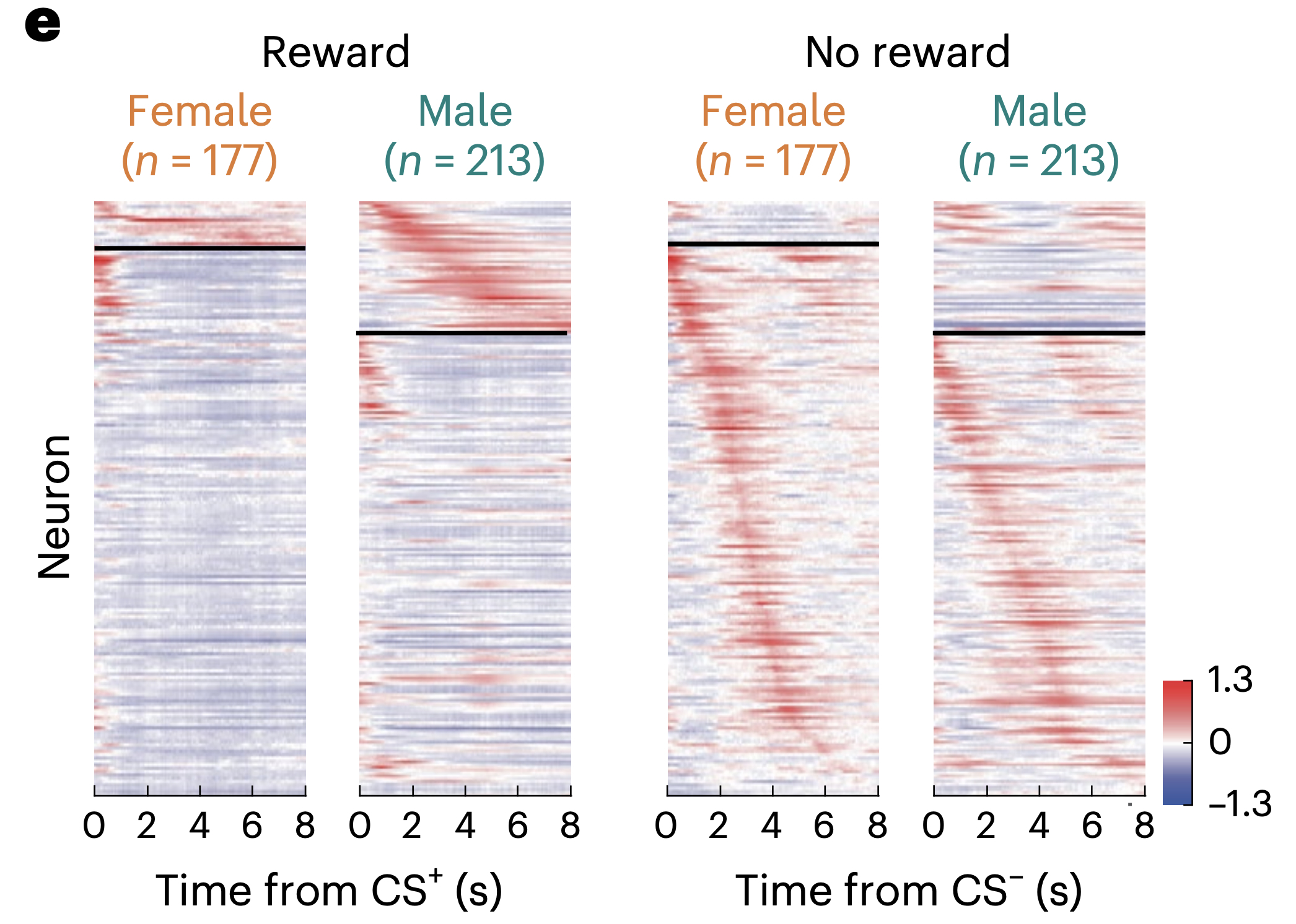 A neural substrate of sex-dependent modulation of motivationNature neuroscience, 2023
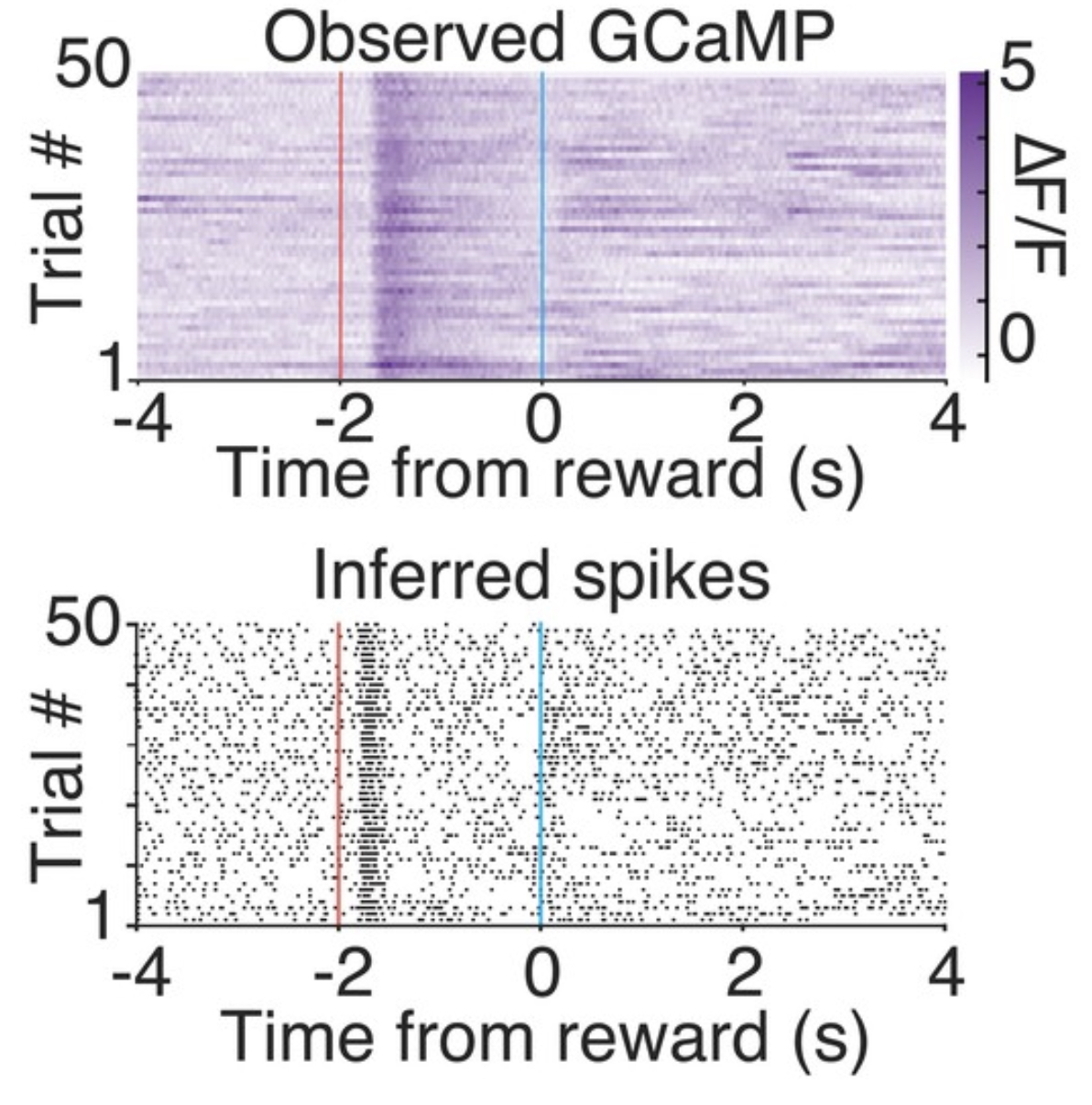
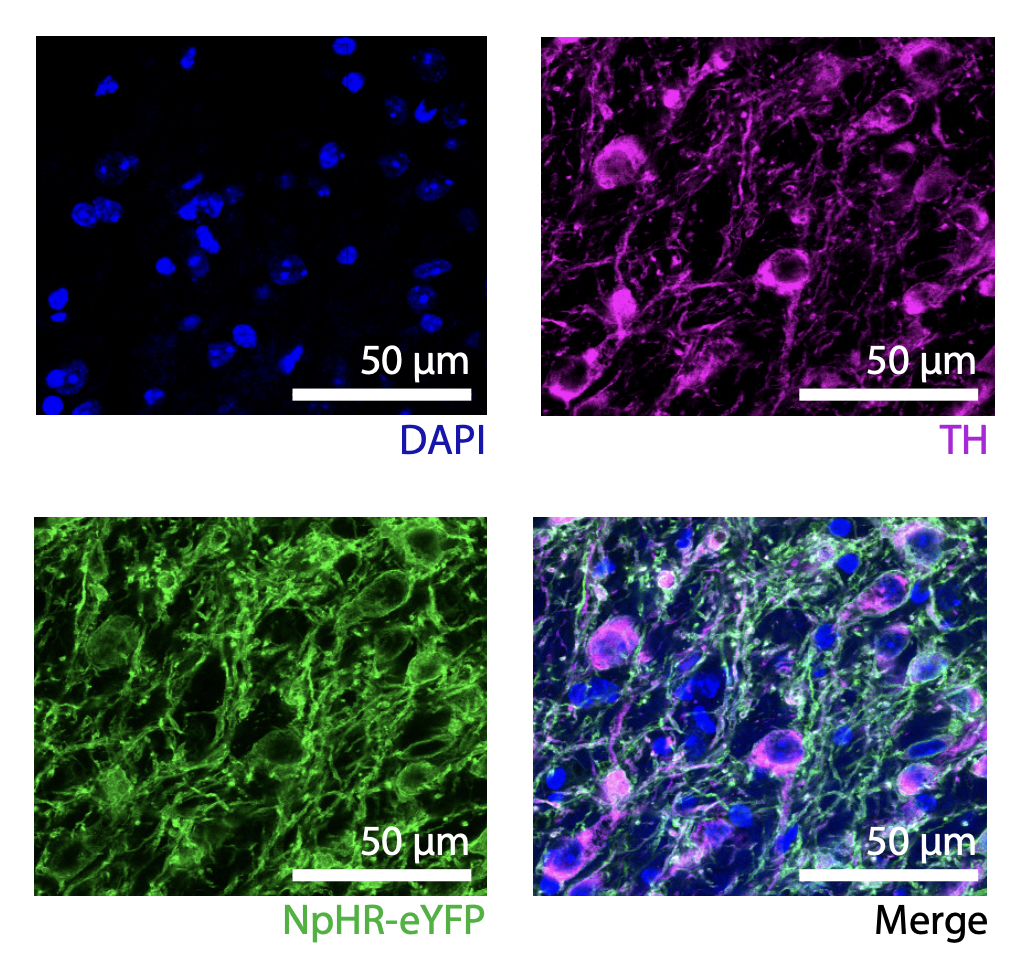 Distinct signals in medial and lateral VTA dopamine neurons modulate fear extinction at different timesElife, 2020
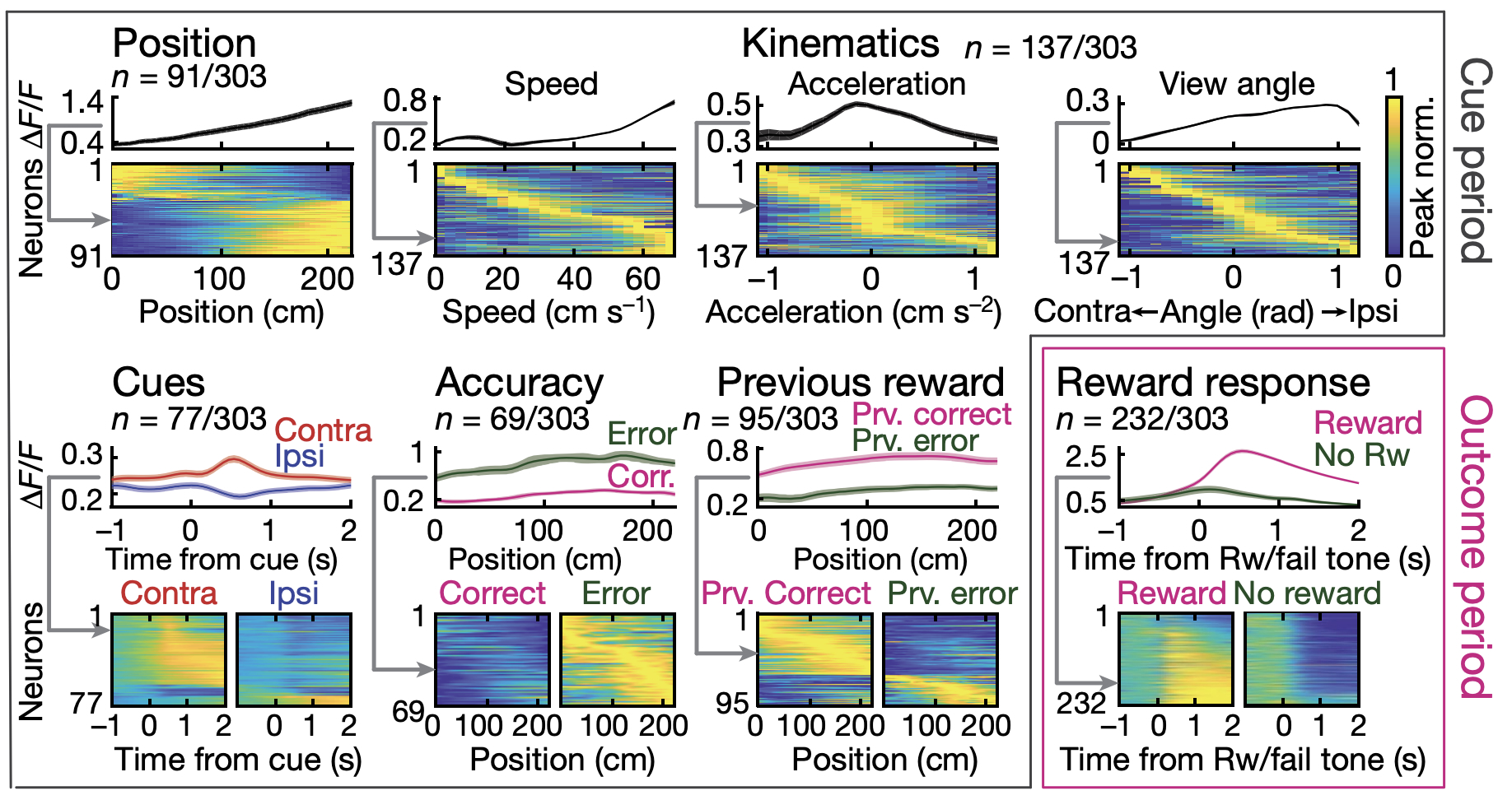 Specialized coding of sensory, motor and cognitive variables in VTA dopamine neuronsNature, 2019
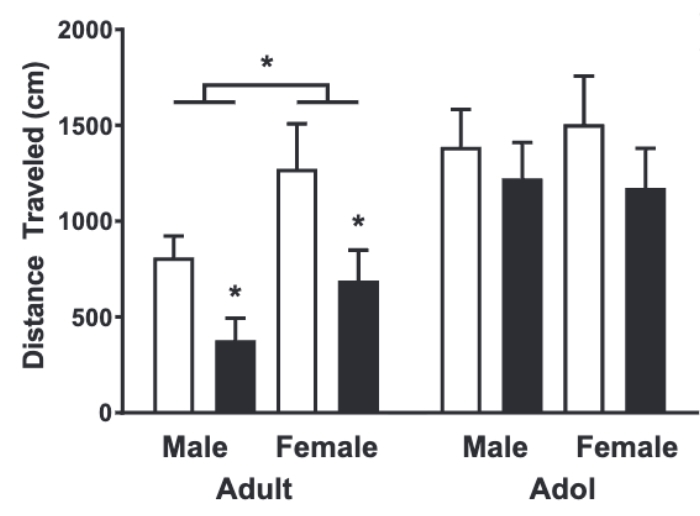 Withdrawal from brief repeated alcohol treatment in adolescent and adult male and female ratsAlcoholism: clinical and experimental research, 2019